

Design Criteria
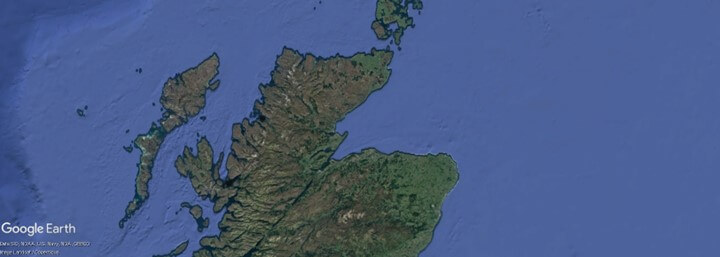
Ahead of a planned cable repair off Scotland’s northern coast, BT commissioned ABPmer to deliver a bespoke metocean study to provide comparable workability statistics for a number of potential approaches, and other supporting information.
Our study was informed by:
Hindcast wind data from the NOAA CFSR Global Meteorological Hindcast Model database
Wave hindcast data from the regionally validated ABPmer SEASTATES European Wave Hindcast Model database
Hydrodynamic hindcast data from a regionally validated ABPmer high resolution model database
We undertook the study for three potential repair approaches, each with different weather limits: diver restricted operations, and the use of a cable installation buoyancy system under optimal and maximum workable conditions.
Our study delivered the following for each of the three approaches:
Key conclusions comparing and quantifying the relative workability of the approach options throughout the year, summarised in a technical report
Scatter tables quantifying the frequency of occurrence for combinations of significant wave height, peak wave period and direction, wind speed and direction, and current speed and direction
An analysis of general weather windows statistics, quantifying the proportion of workable or weather downtime for a wide range of working limits by calendar month
An analysis of task specific weather downtime statistics based on the expected activities, limits and schedule
Timeseries predictions of tidal water levels and current speeds to assist scheduling
The results of the study helped guide BT’s investment in a cable floatation system, and successfully complete the repair operation with the new system, overcoming challenging weather conditions where divers would not have been able to work.
ABPmer supports marine infrastructure design with comprehensive metocean information to minimise uncertainty, maximise efficiency and ensure compliance with international standards. Find out more about our design criteria services.

ABPmer
Quayside Suite
Medina Chambers
Town Quay
Southampton
SO14 2AQ