

Training
We share our extensive knowledge and experience through professional training courses, conferences and other events.
All courses are delivered by ABPmer staff and can take place either in our meeting rooms in Southampton or at client offices.
Explore courses
● Marine Accident and Incident Investigation
● Marine Risk Management Training
● Mooring Operations and Line Handling Training
● PMSC: Internal Auditor Training
Understand the role and responsibilities of a Duty Holder, accountable for safe marine operations under the Ports & Marine Facilities Safety Code (PMSC).
Who should attend?
Duty Holders, both newly-appointed and those looking to refresh their PMSC knowledge, and Harbour Masters seeking to understand Duty Holder requirements under the latest PMSC.
Learning outcomes
By the end of the course, attendees will know:
Duties, powers and responsibilities of the Duty Holder
Requirements to comply with the PMSC
Information and guidance within the Guide to Good Practice
Potential exposure from failure to comply with the requirements of the Code
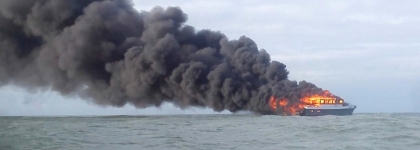
Gain the core knowledge needed to carry out MAIB-compliant accident and incident investigation and reporting.
Who should attend?
The course is aimed at anyone whose role involves assessing marine risk or investigating maritime accidents and incidents.
Learning outcomes
By the end of the course, attendees will understand:
How and why accidents occur
The essential importance of a safety investigation
What is meant by organisational accidents
How to recognise and avoid bias during an investigation
How to recognise and collect human factors evidence
How to use a basic accident analysis tool
How to form good safety recommendations
The structure and content of a good investigation report
Explores the principles or marine risk management, using current industry best practice examples and the principles of As Low As Reasonably Practicable (ALARP). This forms part of our Ports & Marine Facilities Safety Code training.
Who should attend?
Anyone who is being tasked with the management of marine risk or has a duty to provide a safe operational environment within a marine facility.
Learning outcomes
By the end of the course, attendees will understand:
How to identify and categorise marine hazards
The potential impact of marine hazards
How to determine and categorise risk
The application of mitigation
The control of marine risks and use of a risk register
Risk assessment tools and the review process
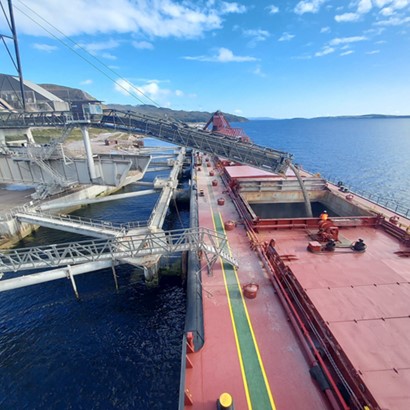
Discover the responsibilities, operational procedures and appropriate communications involved in safe and effective mooring and line handling.
Who should attend?
Anyone involved in the management or direct handling of vessel mooring lines at a port or marine facility would benefit from the course.
Learning outcomes
By the end of the course, delegates will understand:
The legal framework for mooring and line handling responsibilities
The specific mooring responsibilities of Ship Masters, Ships Crews, Pier Masters and Pier Operatives
Operational procedures at every stage of the mooring process
The types and functions of equipment involved in mooring operations
Manning communications, layout and roles for mooring operations
Mooring command actions
Mooring hazard severity, risk and mitigation
Industry best-practice line handling techniques
Develop the skills needed to assess and report on the conformance and implementation of a Marine Safety Management System (MSMS).
Who should attend?
Anyone who is being tasked within their operation to perform the internal audit function of the Ports & Marine Facilities Safety Code (PMSC).
Learning outcomes
By the end of the course, attendees will understand:
Auditing against the PMSC
Auditing against the Guide to Good Practice
Standard terms and definitions
The stages of an audit
Gathering appropriate audit evidence
Interviewing techniques
Reporting audit findings
Learn the structure and application of the PMSC and accompanying Guide to Good Practice. Discover the concepts behind the Code alongside real audit examples.
Who should attend?
Anyone with governance or management responsibilities within a marine setting, or those working in the Ports sector.
Learning outcomes
By the end of the course, attendees will understand:
The principles of the PMSC
Duties and responsibilities
Practical application of the Code
Further guidance available
If you have a specific training requirement not already covered by us, our technical marine specialists are happy to design a course exclusively for you.

ABPmer
Quayside Suite
Medina Chambers
Town Quay
Southampton
SO14 2AQ