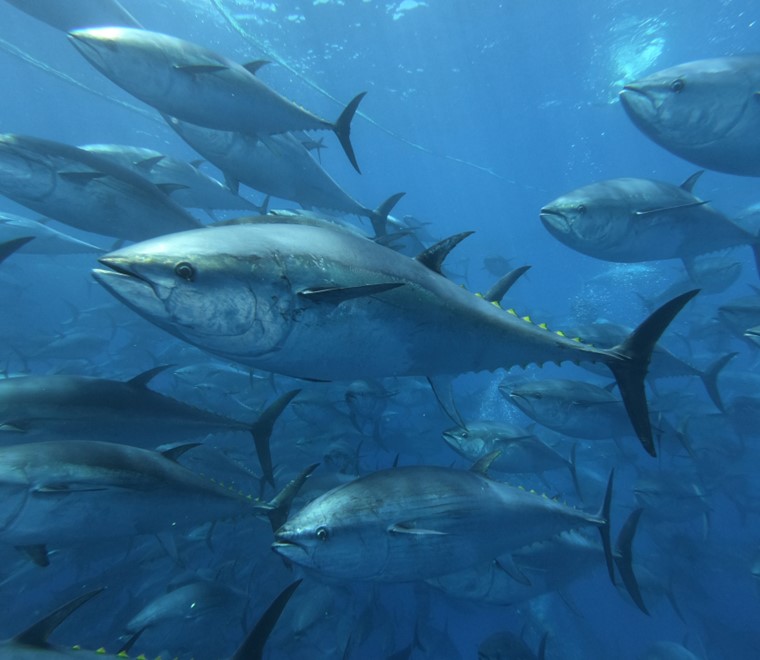
Bluefin tuna: what is the impact of UK quota distribution?
To inform policy decisions on quota allocation, our study with RPA for Defra identifies the economic value of bluefin tuna for commercial and recreational fishers
Read article

Government | Marine Conservation | Policy Support
Our review identified the challenges of the UK achieving the Good Environmental Status statutory obligation for underwater noise, making recommendations for future decision-making
To maintain a healthy and productive marine environment, it is essential to manage and minimise the adverse impacts of underwater noise on marine life. This is, in part, addressed through the UK Government’s statutory obligation to achieve Good Environmental Status (GES) for underwater noise.
Good Environmental Status |
|---|
Good Environmental Status (GES) applies where marine waters “provide ecologically diverse and dynamic ocean and seas which are clean, healthy and productive within their intrinsic conditions, and the use of the marine environment is at a level that is sustainable” |
In 2023 the Office for Environmental Protection (OEP) issued a Call for Evidence on the drivers, pressures and evidence gaps affecting the achievability of GES, which concluded that further action is needed to meet GES for underwater noise.
In response to the evidence gaps and conclusions identified in their Call for Evidence, the OEP commissioned ABPmer to develop an independent view of the current challenges of achieving GES for underwater noise.
ABPmer’s specialists undertook a thorough review of government strategies and policies, peer reviewed academic literature, the outcomes of research and monitoring initiatives, and grey literature to gather a comprehensive evidence base on underwater noise.
Our review was focussed on capturing robust evidence on the types and impacts of underwater noise, as well as the latest available information on how underwater noise is being managed to progress towards achieving GES.
The impacts of underwater noise were reviewed for each of the key industries that produce it, on each of the main species groups that can be impacted. Anticipated sector-specific and strategic future trends in underwater noise production were analysed, and actions that should be taken to progress towards achieving GES were recommended.
Key industries that produce underwater noise | Key receptors of underwater noise |
|---|---|
|
|
The study identified that a more holistic and strategic approach to underwater noise management should be implemented to address the uncertainties associated with the population level effects of underwater noise and anticipated increases in noise generating activities in the future.
We identified key future opportunities and recommendations covering the development of a holistic underwater noise management plan, engagement with international organisations, improved regulatory management and investment into technological innovation.
These recommendations will support the OEP in making evidence-based decisions to hold the UK Government to account on the implementation of environmental law.
Read the full report at the OEP website
ABPmer advises marine sectors on regulatory and policy matters, with a long history supporting government and its agencies in developing the evidence base against which policy decisions are made.
Ready to discuss your requirements? Get in touch.
Header photo: Rui Duarte/Shutterstock.com




To inform policy decisions on quota allocation, our study with RPA for Defra identifies the economic value of bluefin tuna for commercial and recreational fishers
Read article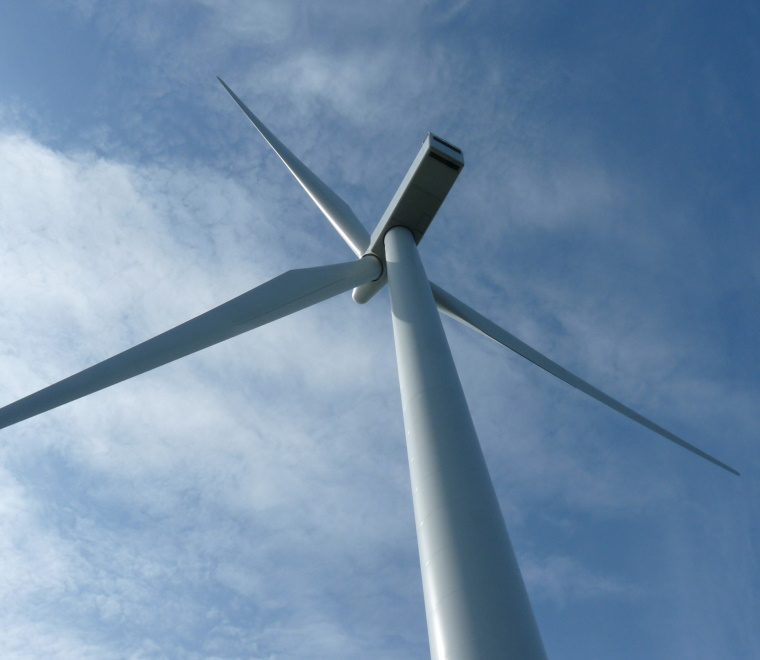
Scottish Government appointed ABPmer to support the revision of its Sectoral Marine Plan for Offshore Wind Energy, now at consultation. Learn more
Read article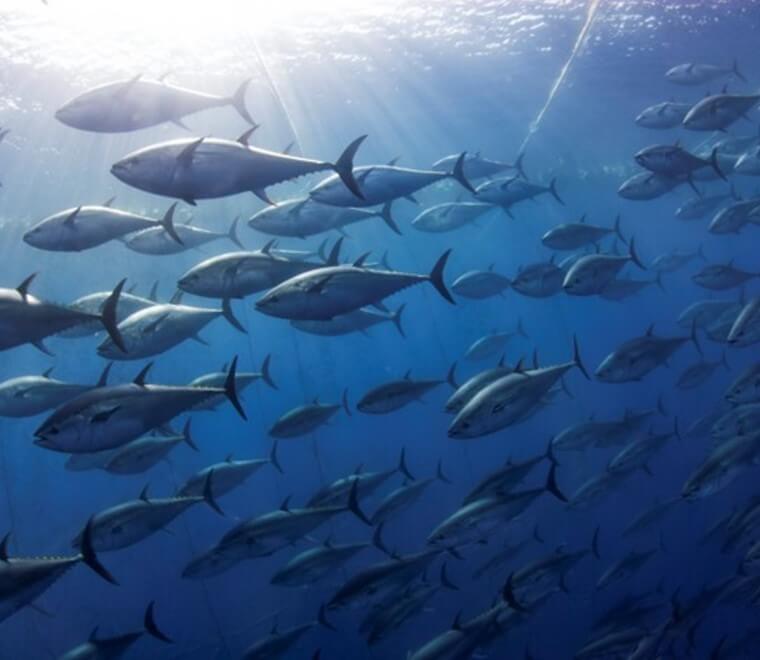
Our report for the Defra provides best practice recommendations for the UK transitioning to an Ecosystem Approach to Fisheries Management (EAFM)
Read article